 Save
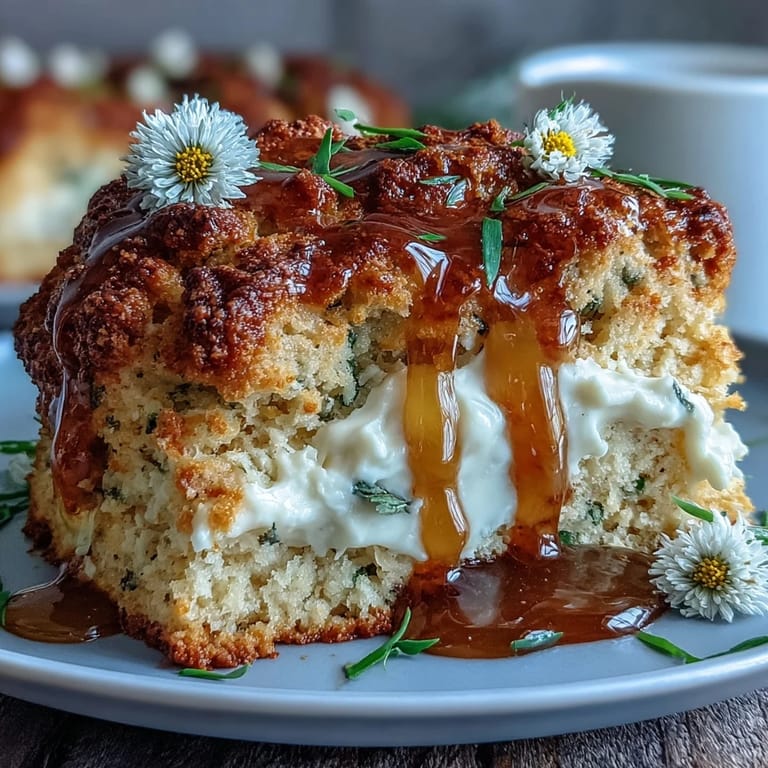
Save The first time I stumbled upon dandelion honey was at a sleepy market on a chilly spring morning. Instead of the expected floral bouquet, its aroma drifted up almost buttery and soft, coaxing me into buying a jar with no plan in mind. Later, every time I make these scones, that sweet fragrance returns, mingling with the scent of baked dough and a faint breeze through my kitchen window. It always feels like a tiny celebration, especially when I swipe the spoon through clotted cream while waiting for the scones to cool. There's something mischievously satisfying about turning humble weeds into golden treats for tea time.
I brought these scones to my neighbor's garden picnic last May, not quite sure how they'd land among the usual lemon drizzle cake and cucumber sandwiches. My hands were sticky from drizzling honey and my shoes dusted in flour, but the scones vanished fast and everyone asked for seconds. We laughed at how something so simple could feel utterly luxurious with clotted cream, and even the dog tried to sneak a taste. The afternoon sun made the honey glisten, and suddenly, spring felt sweeter than ever. Now, whenever I bake them, I remember the garden chatter and a table strewn with crumbs.
Ingredients
- All-purpose flour: Always sift for a lighter crumb; I've learned skipping this step makes the scones too dense.
- Granulated sugar: Just a touch creates a delicate sweetness, so use a fine sugar for best blend.
- Baking powder: The secret boost for lofty scones; check the date so the rise isn't flat.
- Fine sea salt: Brings out the honey flavor—avoid using table salt, as it can be too harsh.
- Cold unsalted butter: Work quickly with butter; cold cubes create the flaky layers we crave.
- Dandelion honey: Its subtle floral notes shine here, but mild honey works too—just avoid strong varieties.
- Whole milk: Chilled milk helps bind the dough; don't use low-fat if you want richness.
- Egg: Whisk it well for an even golden finish and tender crumb.
- Dandelion honey (for drizzling): Added just before serving, it gives brightness to every bite.
- Clotted cream: Lush and spreadable, it's the classic pairing; if you can't find it, try crème fraîche or mascarpone.
Tired of Takeout? 🥡
Get 10 meals you can make faster than delivery arrives. Seriously.
One email. No spam. Unsubscribe anytime.
Instructions
- Prep and Heat:
- Set your oven to 400°F (200°C) and line your baking sheet with parchment; everything starts with a warm, ready space.
- Mix the Dry:
- Whisk together flour, sugar, baking powder, and salt, feeling the texture lighten between your fingers.
- Butter in:
- Rub cold cubes of butter into the mix using a pastry blender or your fingertips, letting the mixture fall into coarse crumbles.
- Whisk Wet Ingredients:
- Combining honey, milk, and egg in a separate bowl, you'll notice their glossy sheen and the honey's gentle aroma.
- Bring Together:
- Pour wet into dry and stir gently—don't fuss, just coax the dough together until barely combined.
- Shape and Cut:
- Pat dough lightly on a floured surface to 1-inch thickness, then press your cutter down with a confident twist.
- Finishing Touches:
- Arrange the rounds on your sheet, then lightly brush tops with milk so they shimmer and bake to golden.
- Bake:
- Let them rise and color, watching through the oven door until their scent fills the kitchen and tops are golden brown.
- Cool and Serve:
- Transfer to a wire rack, then spread them with clotted cream and drizzle with honey as everyone gathers close.
 Save
Save One rainy afternoon, these scones turned an ordinary tea into something special—a moment when the kitchen echoed with laughter and the clotted cream disappeared faster than I thought possible. Sharing the last warm scone felt more memorable than the weather outside, proof that sweetness can lift any day.
The Joy of Spring Ingredients
Using dandelion honey always feels like bringing a bit of spring into the kitchen—its gentle flavor changes a classic scone in the best way. If you can't find dandelion honey, mild varieties work well, but floral notes make the difference. Experimenting with dried dandelion petals for extra aroma gives a subtle, earthy character. The scone's color will be slightly golden, a quiet nod to the sunny days outside. The first time I tried this variation, a touch of petals made the dough feel alive and vibrant.
Clotted Cream and Other Pairings
Clotted cream is the ultimate treat: thick, rich, and barely sweet—don't skimp if you can find it. If not, mascarpone or crème fraîche will still deliver that cool, creamy contrast to the warm scone. I love layering them while the scones are still steaming, watching the cream melt just slightly. Pair with a light tea to balance the richness and really let the honey shine. Once, someone suggested lemon curd; it was delightfully tangy alongside the floral honey.
Serving and Storing for Best Results
The texture of scones is best right after baking, with their crisp edges and soft centers—wait too long and their magic fades. If you're saving some for later, wrap tightly and rewarm briefly for the perfect bite. I learned that storing with a slice of bread keeps scones softer overnight, though it never lasts longer than that. These disappear quickly at a brunch table, especially when everyone can drizzle their own honey.
- Serve warm for the fluffiest texture possible.
- Keep leftovers in an airtight box, adding a slice of bread for moisture.
- Always have extra honey and cream ready for seconds.
 Save
Save Baking these scones always feels like a small, happy ritual. I hope your kitchen is filled with as much warmth and sweetness as mine after making them.
Recipe Q&A
- → How should I serve dandelion honey scones?
Enjoy them warm, topped with clotted cream and a drizzle of dandelion honey for a classic pairing.
- → Can honey be substituted if I don’t have dandelion honey?
Use any mild-flavored honey as a substitute for a similar sweetness and texture.
- → What is the secret to tender scones?
Keep butter cold and mix lightly, ensuring the dough isn’t overworked for a fluffy crumb.
- → Are there alternatives to clotted cream?
Thick crème fraîche or mascarpone make good replacements if clotted cream is unavailable.
- → How do I store leftover scones?
Keep them in an airtight container for up to 2 days, though they’re most delicious fresh.
- → Can I add unique flavors?
A teaspoon of dried dandelion petals mixed in gives a lovely floral note to your scones.