 Save
Save There's something about the smell of lemon zest that takes me straight back to my mother's kitchen on a quiet Sunday morning, sunlight streaming through the window as she'd grate those bright yellow lemons with such care. She never made a fuss about baking, but somehow her cakes always tasted like they held a secret, a little extra love folded into the batter. When I finally asked her for her lemon drizzle recipe, she laughed and said there wasn't one written down, only a feeling she'd developed over decades. Now when I make this cake, I'm not just following steps—I'm having a conversation with all those mornings, all that quiet skill she passed on without ever saying a word.
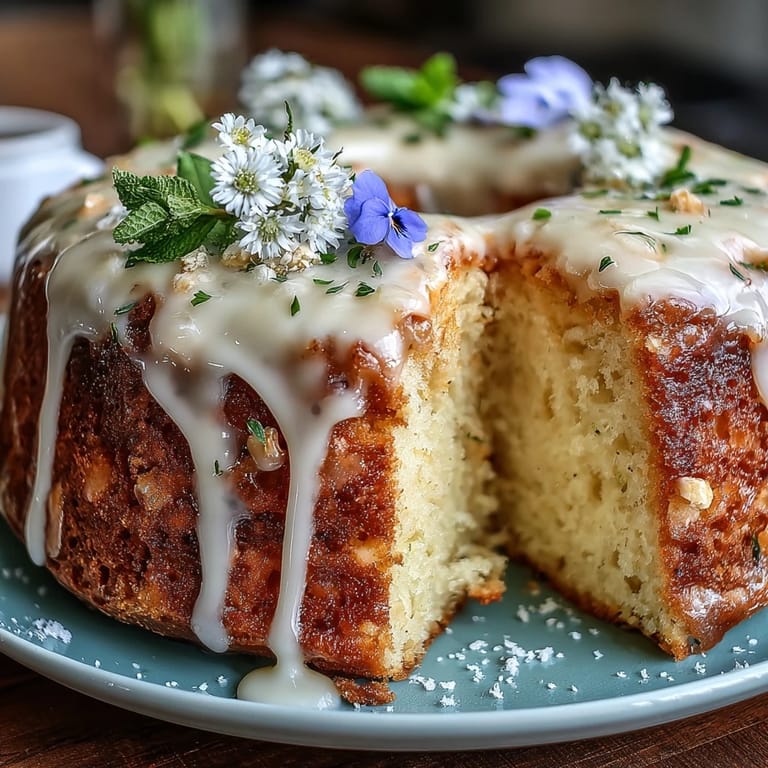
I made this cake for my mum's 60th, and I remember the moment she saw it sitting on the table with those purple violas scattered across the top like someone had just placed them there that second. Her eyes went quiet in that way they do when she's genuinely moved, and she told me it was the most beautiful cake anyone had ever made her. We ended up spending the whole afternoon just sitting with it, talking and laughing, and by evening we'd shared nearly the whole thing between the four of us, no one wanting to cut it smaller because it felt like something to savor, not rush.
Ingredients
- 225g unsalted butter, softened: This is your foundation—soft butter creams properly, trapping tiny air bubbles that make the cake light instead of dense, so let it sit out for a proper 20 minutes before you start.
- 225g caster sugar: The fine crystals dissolve quickly and evenly, which is why this matters more than you might think; regular sugar leaves tiny grains that affect the texture.
- 4 large eggs: Room temperature eggs blend in more smoothly, so pull them from the fridge early and let them warm up while you're prepping everything else.
- 225g self-raising flour: The leavening is already built in, which is why this cake is forgiving and reliable, rising gently and evenly without drama.
- Zest of 2 unwaxed lemons: This is where the soul lives—the oils in the zest give you that authentic lemon flavor that juice alone can't quite reach, so don't skimp or use a microplane for the finest particles.
- 2 tbsp whole milk: Just enough moisture to loosen the batter without making it wet, keeping that tender crumb structure intact.
- Pinch of salt: Salt doesn't make things taste salty; it brightens everything and makes the lemon sing.
- Juice of 2 lemons (for the drizzle): Freshly squeezed makes all the difference here—bottled tastes flat by comparison.
- 125g icing sugar: This dissolves into the juice to make that glossy, tangy coating that seeps into the warm cake like it was always meant to be there.
- Assorted edible flowers: Check they're from a proper source and pesticide-free, because beauty shouldn't come with a health warning.
Tired of Takeout? 🥡
Get 10 meals you can make faster than delivery arrives. Seriously.
One email. No spam. Unsubscribe anytime.
Instructions
- Prepare your space:
- Heat your oven to 180°C (160°C fan) and grease that loaf tin properly, then line it with parchment paper so nothing sticks and your cake slides out easily.
- Cream the butter and sugar:
- Beat them together until they look pale and fluffy, which takes about three minutes with an electric mixer but shows you when they've trapped enough air to make the cake rise properly. If you're using a wooden spoon, take your time and enjoy the rhythm of it.
- Add the eggs gently:
- Drop them in one at a time, mixing well after each addition, because dumping them all in at once can cause the mixture to curdle and separate instead of staying creamy and smooth.
- Fold in the dry ingredients:
- This is where patience actually matters—fold the flour, lemon zest, milk, and salt together until just combined, then stop, because overmixing develops the gluten and makes the cake tough and dense instead of tender. You want to feel the flour disappear into the batter, not beat it into submission.
- Transfer and bake:
- Pour the batter into your tin, level the top with a spatula so it bakes evenly, then slide it into the oven for 40 to 45 minutes until a skewer comes out clean and your kitchen smells like a lemon grove. You'll know it's ready when the edges are golden and it springs back slightly when you touch the top.
- Make the drizzle:
- While the cake bakes, mix the lemon juice and icing sugar together—it should look like a thin, pourable glaze that coats the back of a spoon but isn't runny.
- Poke and soak:
- This is the clever bit—once the cake comes out and is still warm, use a skewer to make holes all over the top, then slowly pour the drizzle over it so it soaks in and keeps the cake moist and zesty all the way through. The warm cake absorbs the syrup like it's been waiting for it all along.
- Cool and decorate:
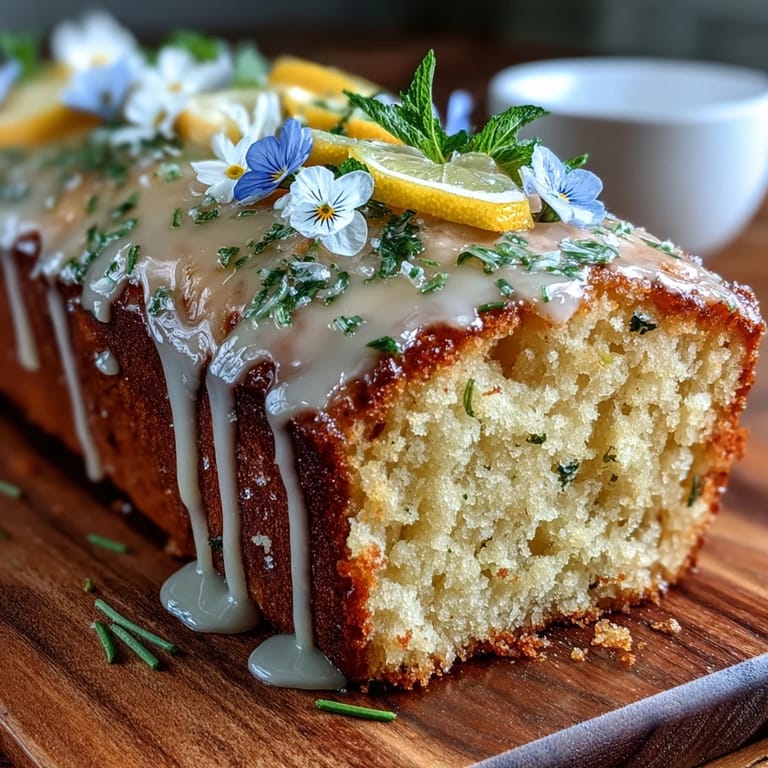
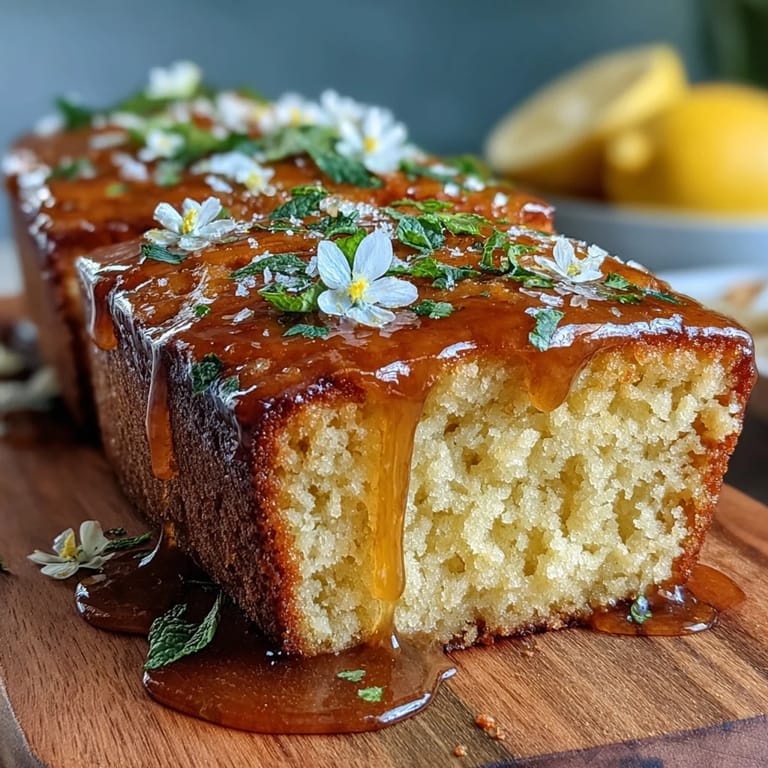
- Let the cake rest in the tin until it's completely cool, then turn it out onto a platter, dust lightly with icing sugar if you like, and scatter the edible flowers on top just before serving so they stay fresh and beautiful.
 Save
Save There was this moment when I lifted the cake out of the tin and it was so golden, so perfectly risen, and I stood there holding it while the drizzle was still glistening on top, and I thought about how something this beautiful had come from patience and a few simple ingredients. It reminded me that the best gifts aren't always the complicated ones—sometimes they're just things made with attention and care.
Why Fresh Lemon Matters
Bottled lemon juice tastes thin and metallic by comparison, and since lemon is the whole point of this cake, don't compromise here. When you squeeze fresh lemons, you get those bright oils that make the cake taste like sunshine instead of just tasting sour. I've made this cake both ways, and the difference is honestly staggering—the fresh version tastes alive, while the bottled version tastes like it's trying to remember what lemons taste like.
The Edible Flowers Are Non-Negotiable
I know it's tempting to skip them and just dust with icing sugar, but those flowers do something that goes beyond decoration—they make the cake feel intentional, like someone knew exactly what they were doing. The visual impact is real too; people's faces light up when they see them, and suddenly it's not just cake, it's an occasion. You can find them at most farmers markets, specialty grocers, or online, and they keep for ages in a sealed container in the fridge, so buy them ahead and have them waiting.
Serving and Storage
This cake keeps beautifully for three days covered loosely on the counter, and it actually tastes better on day two when the flavors have melded and settled. Serve it at room temperature with a dollop of whipped cream or crème fraîche, because the tanginess of the cream against the bright cake is a combination I could eat forever.
- If you're making it ahead, decorate with the flowers only right before serving so they stay perky and perfect.
- Wrap leftovers gently in a cake box or under a cake dome to keep them moist without squashing them.
- This cake also freezes beautifully without the flowers, wrapped well and kept for up to a month, then thawed gently at room temperature before decorating.
 Save
Save This cake has become my go-to for celebrating the people I love, because there's something about offering someone a slice of lemon drizzle cake decorated with flowers that feels like saying you were thinking of them, thoughtfully and carefully. Every time I make it, I'm making my mother's kitchen again, one cake at a time.
Recipe Q&A
- → What type of flour is best for this cake?
Self-raising flour is recommended to give the cake a light and airy texture. For gluten-free options, use a suitable gluten-free blend with added baking powder.
- → How do I make sure the lemon drizzle soaks in properly?
After baking, poke holes all over the warm cake with a skewer. Pour the lemon drizzle slowly allowing it to seep into the holes for maximum flavor.
- → Can I substitute the edible flowers?
Yes, choose pesticide-free flowers that are safe for consumption such as violas, pansies, or rose petals to decorate the cake.
- → How can I add extra lemon flavor?
Adding additional lemon zest to the drizzle will intensify the citrus notes and provide a more aromatic finish.
- → What is the best way to serve this cake?
Serve at room temperature with optional whipped cream or crème fraîche to complement its moist, zesty profile.
- → How should I store the cake?
Keep the cake covered at room temperature for up to two days or refrigerate, allowing it to come back to room temperature before serving.