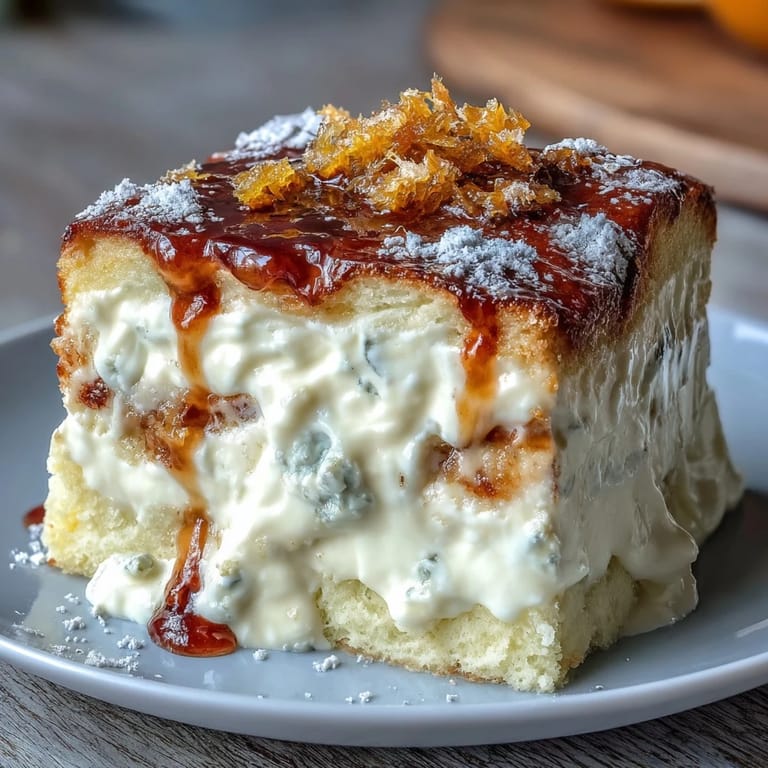
 Save
Save My grandmother used to make this ricotta pie every Easter, and the kitchen would fill with the most intoxicating smell of lemon and butter hours before we'd even sit down to eat. Years later, I attempted her recipe from a faded handwritten note, and while my first attempt was a bit too dense, I eventually discovered that the secret was in not overworking the filling and trusting that slight wobble in the center. This dessert has become my own Easter tradition now, a way of keeping her memory alive while making it distinctly mine with each batch.
I brought this to a potluck last May, expecting it to sit in the corner while everyone fawned over the chocolate cake, but three people came back asking for seconds, and one friend literally asked if I'd made it that morning because it was so creamy. That's when I realized this humble Italian pie had quietly become something people actually crave, not just politely eat.
Ingredients
- All-purpose flour (2 cups for crust, 2 tbsp for filling): The flour in the crust needs to be at room temperature for that tender crumb, while the small amount in the filling acts as a gentle thickener without making things starchy.
- Granulated sugar (3/4 cup total, split): Go easy on the sugar in the filling because the ricotta itself is naturally rich, and you want the lemon to be the real star.
- Unsalted butter (1/2 cup, cold and cubed): This must be cold or your crust will be tough; I learned this the hard way on a hot summer day when I grabbed room-temperature butter without thinking.
- Eggs (4 large total): Use the freshest eggs you can find because they'll give you a silkier, more stable filling.
- Whole milk ricotta cheese (2 cups, well drained): This is non-negotiable; drain it in cheesecloth for at least an hour, otherwise you'll end up with a weeping pie that tastes watery.
- Lemon zest (from 2 lemons) and lemon juice (1 tbsp): Use a microplane for the zest so you get the oils without the bitter white pith, and juice your lemons fresh right before mixing.
- Heavy cream (1/4 cup): This creates that luxurious mouthfeel that makes people think you spent all day on it.
- Vanilla extract (1 tsp each): It's a quiet background note that rounds out the bright lemon flavor.
- Salt (1/4 tsp): Just enough to make the lemon sing without anyone tasting salt directly.
- Powdered sugar (for dusting): Wait until the last minute to dust so it stays pristine and doesn't dissolve into the filling.
Tired of Takeout? 🥡
Get 10 meals you can make faster than delivery arrives. Seriously.
One email. No spam. Unsubscribe anytime.
Instructions
- Build Your Crust Foundation:
- Whisk together flour, sugar, and salt, then add your cold butter cubes and use your fingertips to rub everything together until it looks like rough breadcrumbs. This texture is crucial because those tiny butter pockets will create flakiness as the pie bakes.
- Bring the Dough Together:
- Crack in your egg and egg yolk along with the vanilla, then add water just a tablespoon at a time while gently mixing until the dough barely holds together. You want it slightly shaggy, not smooth, because overworking it toughens the crust.
- Chill and Rest:
- Press the dough into a disk, wrap it up, and let it sit in the fridge for at least 30 minutes so the gluten relaxes and the butter solidifies. This step is worth the patience because it prevents shrinking during baking.
- Prepare Your Pan:
- Preheat your oven to 350°F and grease that 9-inch pan well, then gently roll out your chilled dough and ease it into the pan without stretching. Prick the bottom with a fork in several places so the crust doesn't puff up unevenly.
- Create the Creamy Filling:
- In a fresh bowl, whisk together your drained ricotta, sugar, eggs, vanilla, lemon zest, lemon juice, flour, salt, and cream until everything is silky and completely smooth with no lumps. The flour will thicken this beautifully without making it heavy.
- Fill and Bake:
- Pour that cloud-like filling into your prepared crust and smooth the top gently, then slide it into the oven for 55 to 60 minutes until the edges are lightly golden but the very center still has that slight wobble. That wobble means it's going to set up perfectly as it cools.
- Cool with Patience:
- Let the pie cool completely on a wire rack, resisting the urge to slice into it immediately, then chill it for at least 2 hours so the filling firms up and the flavors meld together. This resting time is when the magic happens.
- Finish with Elegance:
- Just before serving, dust the top with powdered sugar so it stays bright white and visually stunning. This simple final touch transforms the pie from homey to special.
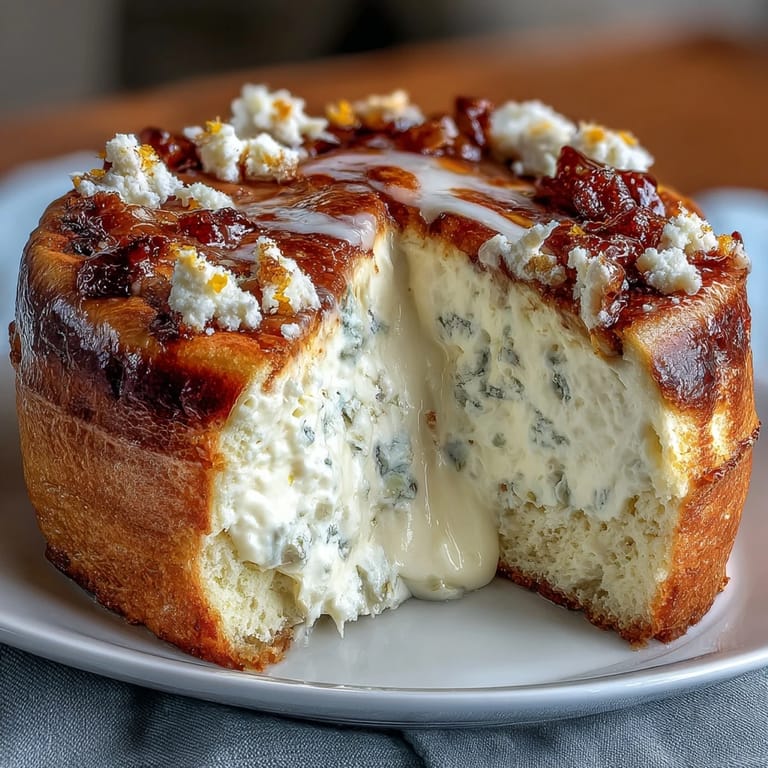 Save
Save My daughter once asked why this pie tasted better than the fancy bakery version her friend brought to school, and I realized it wasn't about technique or ingredients, but about the fact that someone had made it with attention and care just for her. That's really what this dessert is about.
Why the Pastry Matters More Than You Think
A lot of people focus entirely on the filling and rush through the crust, but honestly, a tender, flaky pastry shell is what elevates this from a simple custard tart to something genuinely special. The butter needs to stay cold throughout the process, and you need to resist the urge to knead it like bread dough, because those little pockets of butter are what create those delicate, crispy layers when the pie bakes.
The Lemon is Your Secret Weapon
Fresh lemon zest and juice make all the difference between a pie that tastes one-dimensional and one that keeps evolving on your palate with each bite. I experimented once with bottled lemon juice out of convenience, and the filling tasted flat and oddly perfumy, which taught me that fresh citrus isn't optional here. The brightness cuts through the richness of the ricotta and cream in a way that makes people reach for another slice without quite understanding why.
Timing, Temperature, and That Perfect Wobble
Getting the baking time right is about reading visual cues rather than trusting a timer alone, because every oven behaves differently. You're looking for edges that are set and lightly golden while the center has just that tiny bit of jiggle when you gently shake the pan. This pie continues to cook slightly as it cools, so pulling it out a minute early is always better than risking a rubbery, overcooked filling.
- Use an oven thermometer to make sure your temperature is accurate, because even 25 degrees off can change everything.
- If the edges start browning too quickly, tent the top loosely with foil for the last 15 minutes of baking.
- Cool it completely at room temperature before refrigerating, which takes about an hour, and this patience pays off in texture.
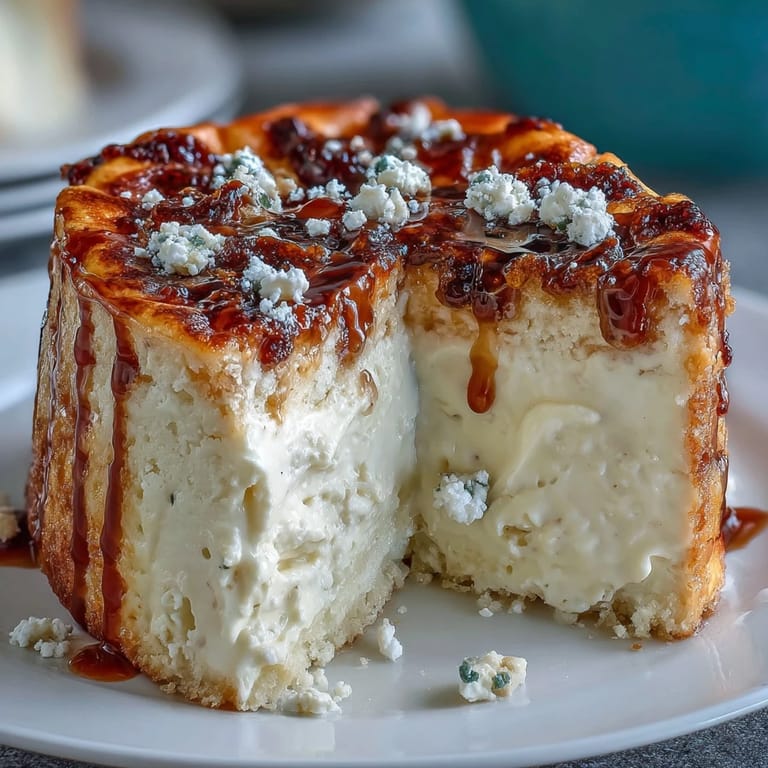 Save
Save This pie is proof that sometimes the most memorable desserts are the simple ones that taste like someone actually cared enough to do it right. Make it, share it, and watch it become your own tradition.
Recipe Q&A
- → How do I ensure the pastry crust is tender?
Use cold cubed butter and avoid overworking the dough. Chilling the dough before rolling helps maintain tenderness and flakiness.
- → Can I substitute any ingredients for dietary needs?
Gluten-free flour can replace all-purpose flour in the crust. For dairy alternatives, use plant-based ricotta substitutes, but texture and flavor may vary.
- → What’s the best way to brighten the filling's flavor?
Adding fresh lemon zest and a bit of lemon juice enhances the ricotta’s creamy sweetness with a lively citrus kick.
- → How do I know when the filling is properly baked?
The filling should be set with a slight wobble in the center and a light golden color on top to indicate doneness.
- → What variations can complement this dessert?
Incorporating orange zest alongside lemon zest or garnishing with fresh berries adds fresh, seasonal notes and visual appeal.