 Save
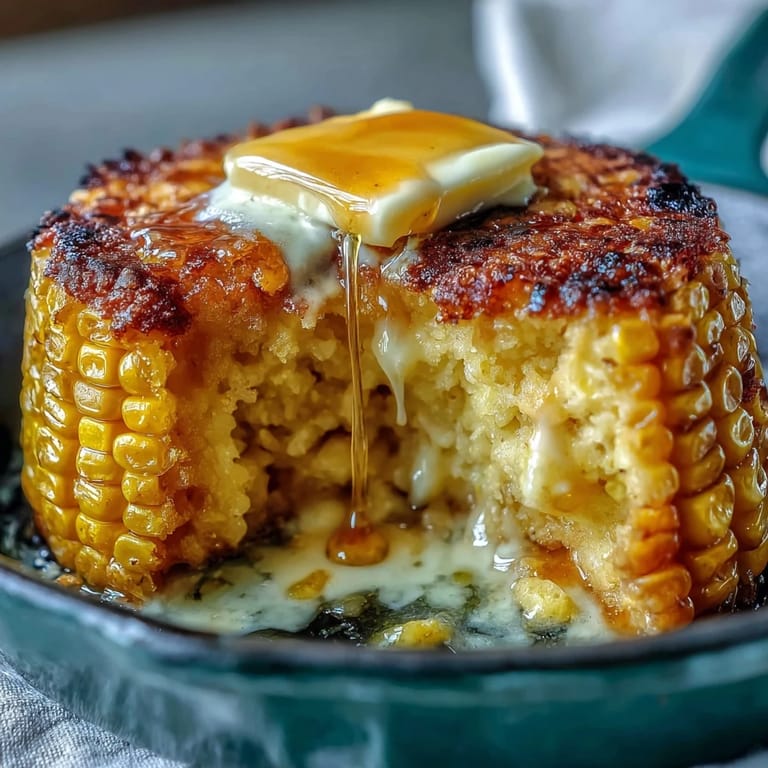
Save My grandmother's cast-iron skillet hung above her stove for decades, seasoned dark as mahogany, and the first time she let me make cornbread in it, I understood why she guarded it so fiercely. The butter hit that preheated pan with a sizzle that made my heart skip, and twenty-five minutes later, something golden and impossibly moist emerged—nothing like the dry brick I'd attempted in a regular baking pan years before. That skillet changed everything about how I understood Southern cooking, teaching me that sometimes the vessel matters as much as the ingredients inside it.
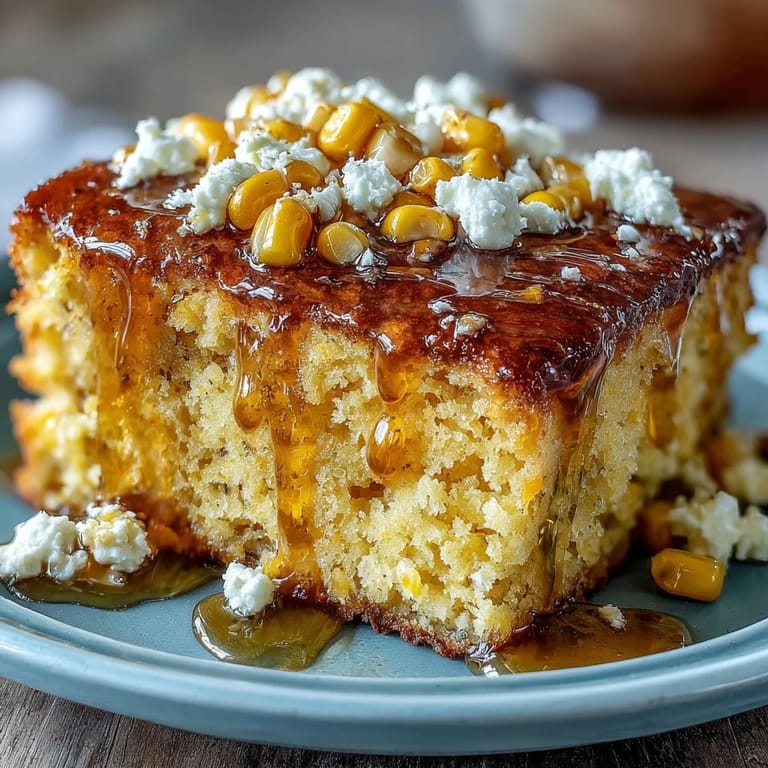
I made this cornbread for a winter potluck once when a coworker mentioned she'd never had authentic Southern cornbread, only the sweet cake-like versions from boxes. Watching her eyes light up when she bit into a warm slice, then immediately reach for more with that honey butter, reminded me that food is really just generosity with butter and time. She asked for the recipe that night, and I realized I'd never actually written it down—I'd just inherited the muscle memory from watching it made a hundred times.
Ingredients
- Yellow cornmeal (1 cup): This is your foundation, and it must be fresh because old cornmeal tastes faintly rancid and no amount of honey butter can fix that.
- All-purpose flour (1 cup): The flour binds everything together without making the cornbread dense, but don't sift it unless you actually enjoy extra work.
- Granulated sugar (1/4 cup): Just enough to enhance the corn flavor and add a whisper of sweetness that plays beautifully with the honey butter.
- Baking powder and baking soda (1 tablespoon and 1/2 teaspoon): These two work as a team to give you that tender crumb and slightly risen top.
- Fine salt (3/4 teaspoon): Don't skip this or use table salt; fine salt distributes evenly and table salt can create tiny bitter pockets.
- Whole milk or buttermilk (1 cup): Buttermilk adds a subtle tang that makes people ask what your secret ingredient is.
- Eggs (2 large): They contribute richness and help structure the crumb so it stays moist without being gummy.
- Unsalted butter, melted (1/4 cup) and vegetable oil (1/4 cup): The combination of both creates that golden exterior and tender inside; don't be tempted to use only oil or only butter.
- Unsalted butter for the skillet (2 tablespoons): This must be hot enough to sizzle when the batter hits or you'll lose those precious crispy edges.
- Honey butter (softened butter, honey, salt): Softened butter is crucial here because cold butter won't mix smoothly with the honey, and it needs to melt luxuriously over warm cornbread.
Tired of Takeout? 🥡
Get 10 meals you can make faster than delivery arrives. Seriously.
One email. No spam. Unsubscribe anytime.
Instructions
- Heat your skillet like you mean it:
- Get that cast-iron into a 425°F oven while you prep everything else—the heat is what creates the magic. A cold skillet gives you dense, pale cornbread; a hot one gives you something worth remembering.
- Mix dry ingredients with a gentle hand:
- Whisk together cornmeal, flour, sugar, baking powder, baking soda, and salt in a large bowl, breaking up any lumps in the cornmeal as you go. This takes maybe two minutes and ensures even distribution of your leavening agents.
- Combine wet ingredients separately:
- In another bowl, whisk milk, eggs, melted butter, and vegetable oil until everything looks cohesive and smooth. Don't overthink this step—it's just about bringing everything into the same team.
- Bring wet and dry together gently:
- Pour the wet mixture into the dry ingredients and stir just until you don't see any white streaks of flour anymore. This is where people ruin cornbread by overmixing; the batter should look slightly lumpy and feel forgiving.
- Butter that hot skillet:
- Remove the skillet carefully—it's genuinely hot—and add two tablespoons of butter, swirling it around until the entire bottom and sides are coated. The sizzle is your signal that you're doing it right.
- Pour and smooth:
- Transfer the batter into the hot skillet, using a spatula to gently spread it so it bakes evenly. Don't stress about perfection; cornbread forgives imperfect tops.
- Bake until golden:
- Set a timer for twenty to twenty-five minutes—your oven's personality matters here, so check at twenty minutes by inserting a toothpick into the center. It should come out clean or with just a few moist crumbs.
- Make honey butter while it bakes:
- Beat softened butter with honey and a pinch of salt until it's fluffy and pale, which takes about two minutes with a fork or electric mixer. This is the best use of baking time because then you have something luxurious waiting.
- Rest before serving:
- Let the cornbread cool for five to ten minutes so it sets enough to slice cleanly but stays warm enough to let that honey butter melt into every crevice. This is also when your kitchen smells absolutely incredible.
 Save
Save My neighbor, who grew up on cornbread made from scratch but hadn't had any in thirty years, took one bite of this and got quiet in a way that made me understand why food matters so much. She sat at my kitchen table and told me about Sunday dinners at her mother's house, about reaching for warm cornbread still in the skillet, about the way her whole family would gather around. Sometimes a recipe isn't just about feeding someone; it's about letting them taste their own history back.
The Cast-Iron Skillet Difference
There's a reason Southern cooks are obsessive about their cast-iron—it distributes heat more evenly than any other pan and builds a seasoned surface that actually improves with time. If you don't have cast-iron, a 10-inch round cake pan works, but you'll notice the difference immediately in how the bottom browns and how the edges crisp. Cast-iron also keeps cornbread warm longer if you're bringing it to a gathering, so it arrives at the table still hot enough for that honey butter to pool gloriously.
Variations That Feel Natural
Once you've made this classic version a few times, you'll start seeing possibilities everywhere—a cup of corn kernels stirred in adds texture and sweetness, shredded cheddar makes it savory and sophisticated, and diced jalapeños bring a heat that plays against the honey. My favorite accidental discovery was adding a handful of crispy bacon bits once when I was cleaning out the fridge, and now I make it that way for chili nights. The base recipe is forgiving enough to let you experiment without losing that essential moist crumb and golden exterior.
Serving and Storage Wisdom
Cornbread lives its best life served warm with honey butter, but it's also delicious at room temperature the next day, sliced and either toasted or fried in a skillet with a little butter. Store it wrapped loosely in foil or in a bread box where it stays soft; the refrigerator will dry it out, so don't do that. If you find yourself with leftover cornbread (which is rare), it makes an incredible base for cornbread dressing or crumbles beautifully into cornbread salad at summer potlucks.
- Serve it warm for the most magical experience, ideally within an hour of coming out of the oven.
- Pair it with barbecue, chili, fried chicken, or any dish that needs something golden to soak up sauce.
- Make the honey butter ahead of time and keep it at room temperature so it's ready to melt into every warm slice.
 Save
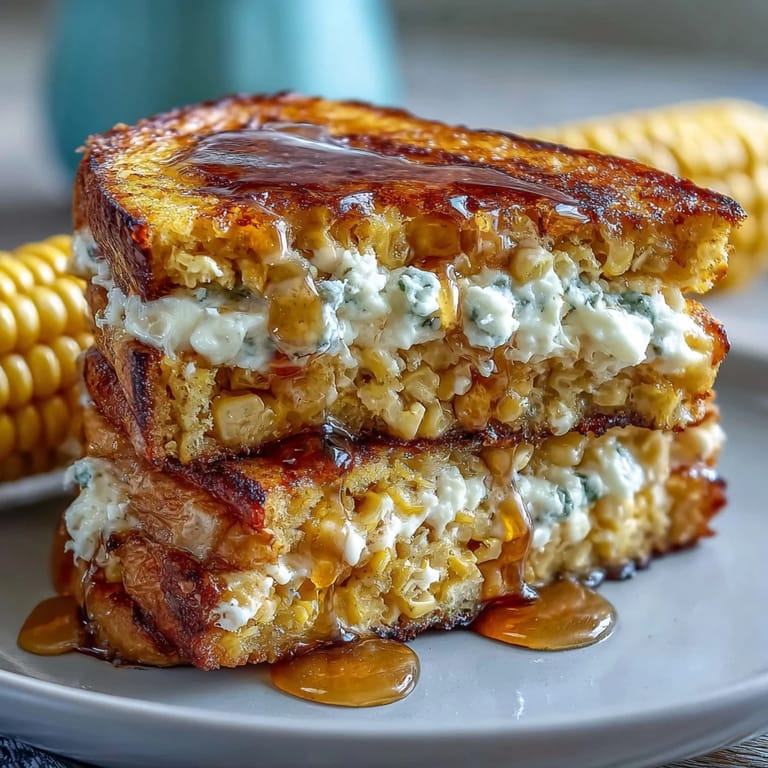
Save This cornbread became my answer to the question of what to bring when I want people to feel cared for without spending all day cooking. It's a recipe that promises warmth, proves that simple ingredients can create something genuinely special, and always leaves people reaching for one more slice with honey butter dripping down their fingers.
Recipe Q&A
- → What type of pan is best for baking this cornbread?
A 10-inch cast-iron skillet is ideal as it retains heat evenly and creates a crispy crust with a moist interior.
- → Can I substitute buttermilk for whole milk?
Yes, using buttermilk adds a pleasant tang and tenderizes the crumb, enhancing the overall flavor.
- → How do I make the honey butter topping?
Whip softened unsalted butter with honey and a pinch of salt until light and fluffy, then spread over the warm cornbread.
- → What are some popular add-ins for this cornbread?
Try mixing in corn kernels, shredded cheddar cheese, or chopped jalapeños to add variety and extra flavor.
- → How can I tell when the cornbread is done baking?
The top should be golden brown, and a toothpick inserted into the center should come out clean.